The Speed of a Revolution
I have long been a fan of James Burke, the polymath behind the wonderful Connections television series. A conversation with my co-founder about Burke recently got me thinking about one of his recurring themes: the pace of technological revolutions.
As humans we take language for granted. Yet there was a time before it existed. Somewhere around 300,000 years ago our ancestors gradually turned grunts, gestures and pointing at the tastiest mammoths into something we would recognize as language. From those first beginnings to widespread use probably took between 100,000 and 200,000 years. That makes some of my awkward silences seem positively loquacious.
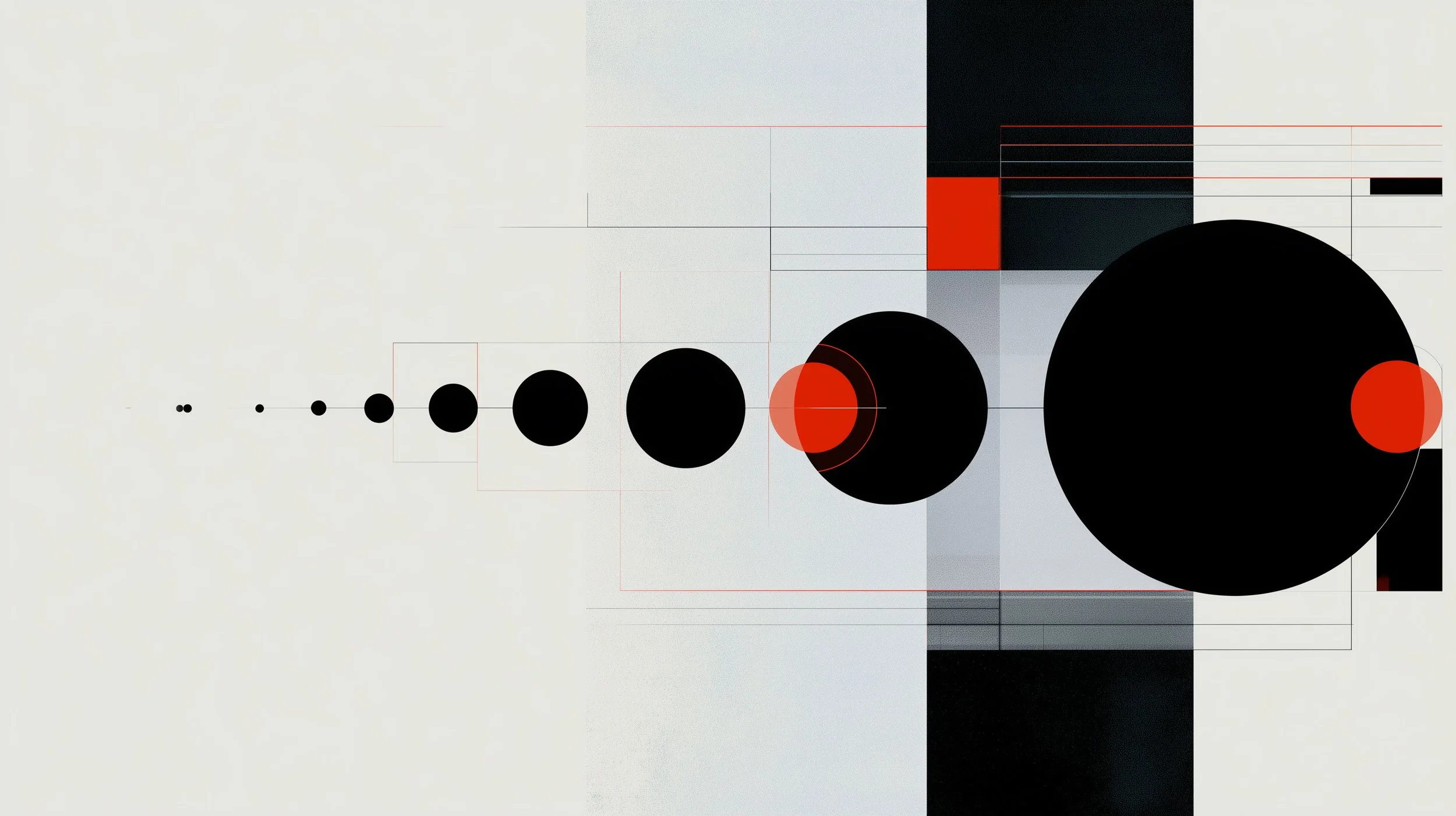
The next big leap was faster. The ability to use symbols to represent ideas emerged perhaps 100,000 years ago and spread over tens of thousands rather than hundreds of thousands of years. Agriculture took 8,000 years to become widespread, writing 2,500 years, mass literacy 400 years, mass production 50 years, the Internet 25 years, smartphones just 15.
The pattern is clear. Each revolution leaves behind infrastructure that accelerates the next. Language made writing possible. Writing enabled printing. Printing fuelled literacy. Literacy drove science. Science powered industry. Industry built the digital world. The Internet made AI possible.
And here we are in the AI revolution. In less than five years it has begun to reshape knowledge work across almost every profession. If the pace of change has compressed from hundreds of thousands of years to just a handful, where does it go next? Will the difference between one year and the next eventually feel as profound as the difference between 1850 and 1950?
I happen to be optimistic.

The transition to an urban, technologically enabled society helped lift global life expectancy from around 29 years in 1800 to about 73 years today. Every major revolution has brought disruption. But all have also left humanity healthier, wealthier and more capable than before.
That is why we started CrazyCatz.
We believe AI does not ultimately replace people; it should remove the repetitive work that prevents people from realizing their higher talents. AI simply replaces toil. Operations teams spend far too much time manually triaging alerts, chasing false positives and stitching together information from dozens of disconnected tools. Those hours are better spent solving problems, improving resilience and protecting their organisations.
At CrazyCatz we are embracing the pace of change, not fearing it. Our mission is simple: Use the latest advances in AI to liberate operations teams from the drudgery of incident response.
The curious thing about change is that everything seems uncertain. I am confident that at the other side of this one a highly automated, essentially autonomous, digital infrastructure will feel as natural as the smartphone in your pocket.